
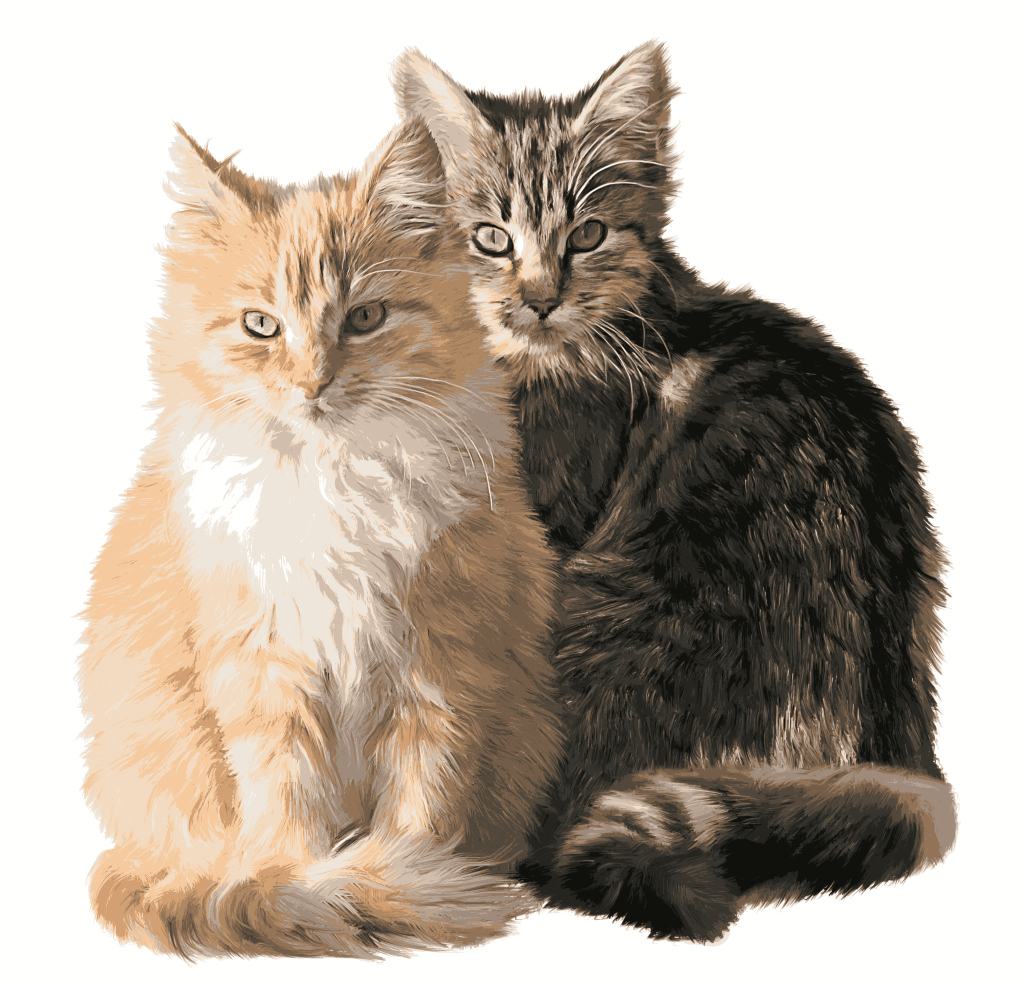
If you have more than one cat, managing food allergies can make mealtimes surprisingly stressful.
In my case, one cat needed a strict diet while the other just wanted his usual food — and feeding them both the same wasn’t always practical.
The challenge
Specialist diets can be expensive, and cats often have very different preferences. If your cat is on a strict elimination diet or hydrolysed food, even small amounts of another food can interfere with results.
The main difficulty is preventing one cat from eating the other’s food, especially if one diet needs to be strictly controlled.
Simple approaches to try first
Before turning to equipment, it can help to feed cats in separate rooms, supervise mealtimes and remove leftover food promptly.
This can work for some households, but it isn’t always practical long-term.
Covered bowls and storage
One simple solution is to use covered bowls or containers.
I found that if food was left uncovered, my allergy cat would always find it. Using lids made it easier to manage separate meals and avoid accidental snacking.
Rotho cat feeder with lid – View on Amazon.
Pup & Kit Lid-it bowl – stainless steel with silicone lid – View on Amazon.
Microchip feeders
A more advanced option is a microchip cat feeder. These only open for a specific cat, using their microchip to identify them.
This was a game changer for me, as it meant I could leave food out safely without worrying about the wrong cat eating it.
The most widely used option is the SureFeed Microchip Pet Feeder. It’s easy to set up and includes a training mode to help cats get used to it.
These feeders are more expensive, but can make managing different diets much easier. View on Amazon.
A practical note
Every household is different. Some cats adapt well to changed feeding routine, or are happy to all eat an allergy diet, while others need more controlled solutions.
It may take a bit of trial and error to find what works best.